

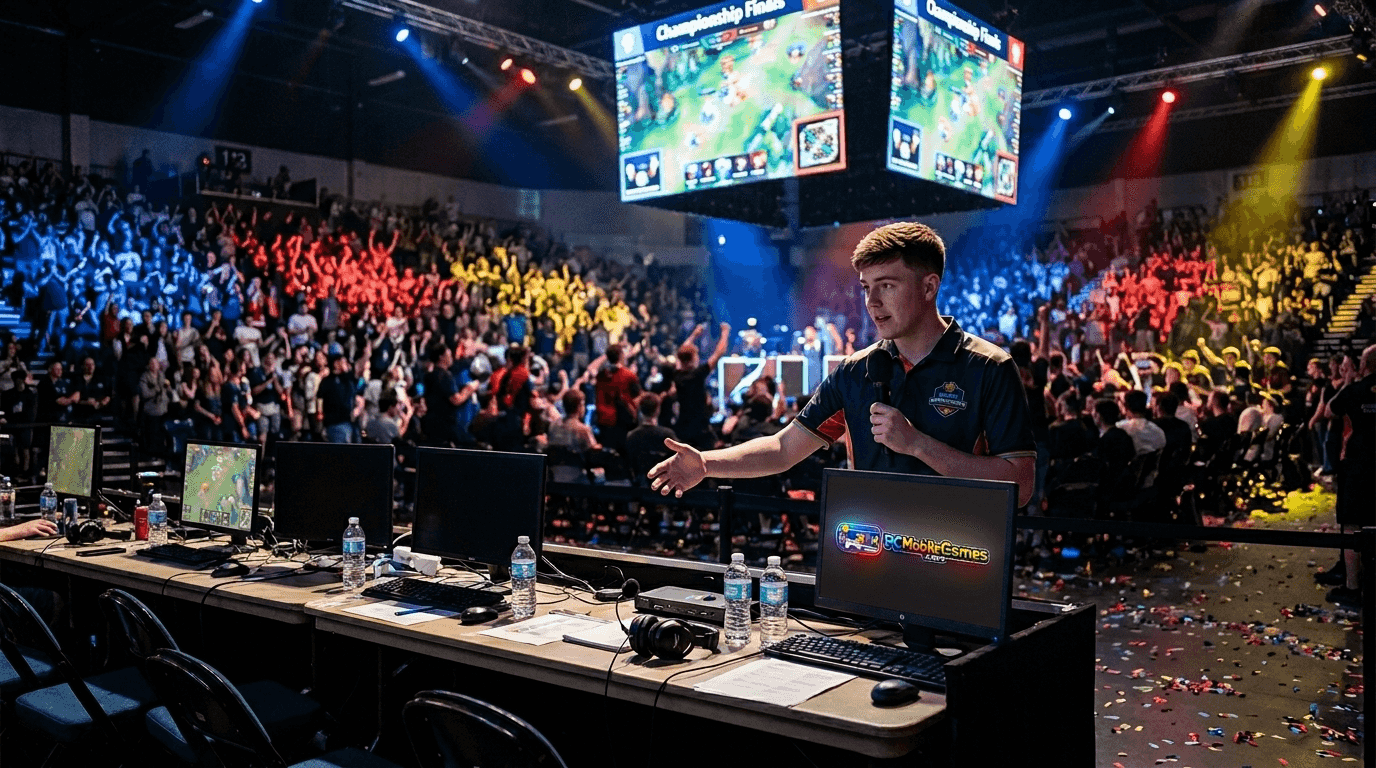
Esports revenue has doubled from 2020 to 2024, reaching nearly $2 billion globally. This explosive growth isn’t random. It’s the result of converging forces: technological advances, massive sponsorships, cultural shifts, mobile accessibility, and regional expansion. Understanding these factors helps gamers and fans grasp where competitive gaming is headed and how they can participate in this thriving ecosystem.
Table of Contents
Key takeaways
| Point | Details |
|---|---|
| Technology drives access | Global broadband speeds increased 40% from 2019 to 2024, enabling seamless competitive gaming worldwide. |
| Economic surge | Corporate sponsorships and diverse revenue streams have created a financially sustainable industry with multi-million dollar prize pools. |
| Mobile dominates growth | Mobile esports grows 20-25% annually, outpacing PC due to smartphone penetration in emerging markets. |
| Young adults lead | 70% of esports audiences are 18-34, reshaping gaming culture and career perceptions globally. |
| Misconceptions fade | Professional players undergo rigorous physical and mental training, debunking myths about casualness. |
Understanding esports: definition and context
Esports refers to organized, competitive video gaming where professional players and teams compete in tournaments for prizes and prestige. Unlike casual gaming, esports involves structured leagues, official rules, and massive spectator followings. The ecosystem is complex and mirrors traditional sports in many ways.
Several key components define the esports ecosystem:
- Players and teams: Professional gamers train daily, sign contracts, and represent organizations
- Event organizers: Companies like ESL and Riot Games host tournaments with production quality rivaling major sports
- Sponsors and advertisers: Brands invest millions to reach engaged gaming audiences
- Streaming platforms: Twitch, YouTube Gaming, and regional platforms distribute content globally
- Fans and communities: Millions watch live and interact through chats, forums, and social media
Esports viewership now rivals and sometimes exceeds traditional sports for younger demographics. The 2023 League of Legends World Championship drew over 100 million viewers, comparable to major sporting events. This scale demonstrates esports’ mainstream arrival.
For gamers curious about starting in esports, understanding this professional structure is essential. Competitive gaming is no longer a niche hobby but a legitimate industry with careers spanning playing, coaching, broadcasting, event management, and content creation.
Technological innovations fueling esports growth
Technology serves as the foundation enabling esports to reach global audiences instantly. Without reliable internet infrastructure and streaming platforms, competitive gaming would remain a localized activity. Three technological factors have been particularly transformative.
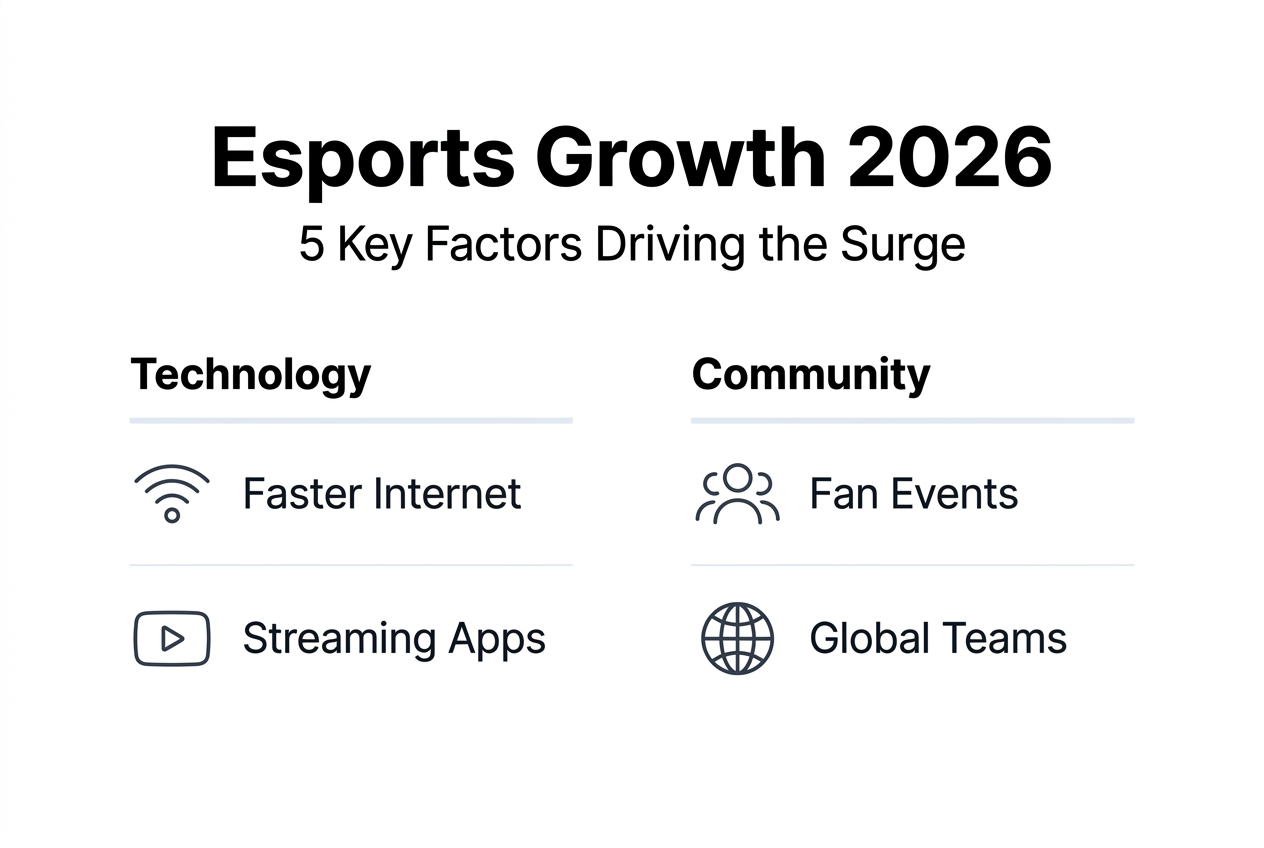
First, internet speeds have improved dramatically. Global broadband speeds increased 40% between 2019 and 2024, reducing latency issues that plagued early online competitions. Players can now compete fairly across continents, and viewers experience smooth, high-definition streams without buffering.
Second, streaming platforms revolutionized how fans consume esports. Twitch and YouTube Gaming made tournaments accessible to anyone with an internet connection. Viewership increased over 50% between 2020 and 2024 as these platforms improved discoverability, interaction features, and mobile accessibility. Real-time chat, instant replays, and multi-angle viewing transformed passive watching into active community participation.
Third, the COVID-19 pandemic accelerated online engagement when live events paused. Traditional sports went dark, but esports thrived. Tournaments moved entirely online, and viewership surged 70% during lockdowns as audiences sought entertainment and connection. This period proved esports’ resilience and exposed millions to competitive gaming for the first time.
Key technological enablers include:
- 5G networks: Lower latency for mobile esports competitions
- Cloud gaming services: Reduced hardware barriers for players
- Advanced analytics: Enhanced viewer experiences with real-time stats
- VR and AR integration: Creating immersive spectator experiences
These innovations don’t just support existing esports. They create new possibilities for game formats, tournament structures, and fan engagement that traditional sports can’t easily replicate.
Pro Tip: If you’re exploring esports platforms and streaming, start with Twitch for PC titles and YouTube Gaming for mobile competitions. Each platform’s community and discoverability features cater to different game types.
Economic and sponsorship growth in esports
Money validates industries, and esports has attracted massive investment from corporate sponsors, media companies, and venture capitalists. This economic surge transformed competitive gaming from amateur hobby to professional career path. The financial ecosystem is now remarkably diverse.
Esports revenue streams include:
- Sponsorships: Brands like Intel, Red Bull, and Mercedes-Benz sponsor teams and events
- Media rights: Broadcasting deals with ESPN, YouTube, and regional networks
- Advertising: In-game ads, stream overlays, and sponsored content
- Merchandise: Team jerseys, gaming peripherals, and collectibles
- Ticket sales: Live event attendance generating millions per major tournament
Corporate sponsorships dominate, accounting for roughly 60% of total esports revenue. Companies recognize esports audiences are young, engaged, and difficult to reach through traditional advertising. A single tournament sponsorship can deliver millions of impressions to highly targeted demographics.
| Revenue Source | 2020 Share | 2024 Share | Growth Driver |
|---|---|---|---|
| Sponsorships | 55% | 60% | Brand targeting young audiences |
| Media Rights | 18% | 22% | Streaming deals and exclusivity |
| Merchandise | 12% | 10% | Saturated market |
| Advertising | 10% | 5% | Shift to sponsorships |
| Ticket Sales | 5% | 3% | Post-pandemic online preference |
Prize pools have inflated dramatically, attracting elite talent globally. The International, Dota 2’s championship, has awarded over $40 million in a single year through crowdfunding. These massive prizes legitimize esports careers and create aspirational pathways for young gamers.
Investment trends signal confidence in esports’ long-term viability. Traditional sports organizations like Paris Saint-Germain and Golden State Warriors now own esports teams. This crossover brings business expertise, capital, and mainstream credibility to competitive gaming.
The economic model is sustainable because multiple revenue streams reduce dependence on any single source. Even if sponsorship growth slows, media rights and digital content monetization can compensate. This diversification protects against market volatility.
Cultural impact and demographics shaping esports
Esports hasn’t just grown economically. It has fundamentally reshaped gaming culture and how society views competitive video games. The demographic composition of esports audiences drives this cultural transformation. Young adults dominate viewership and participation.
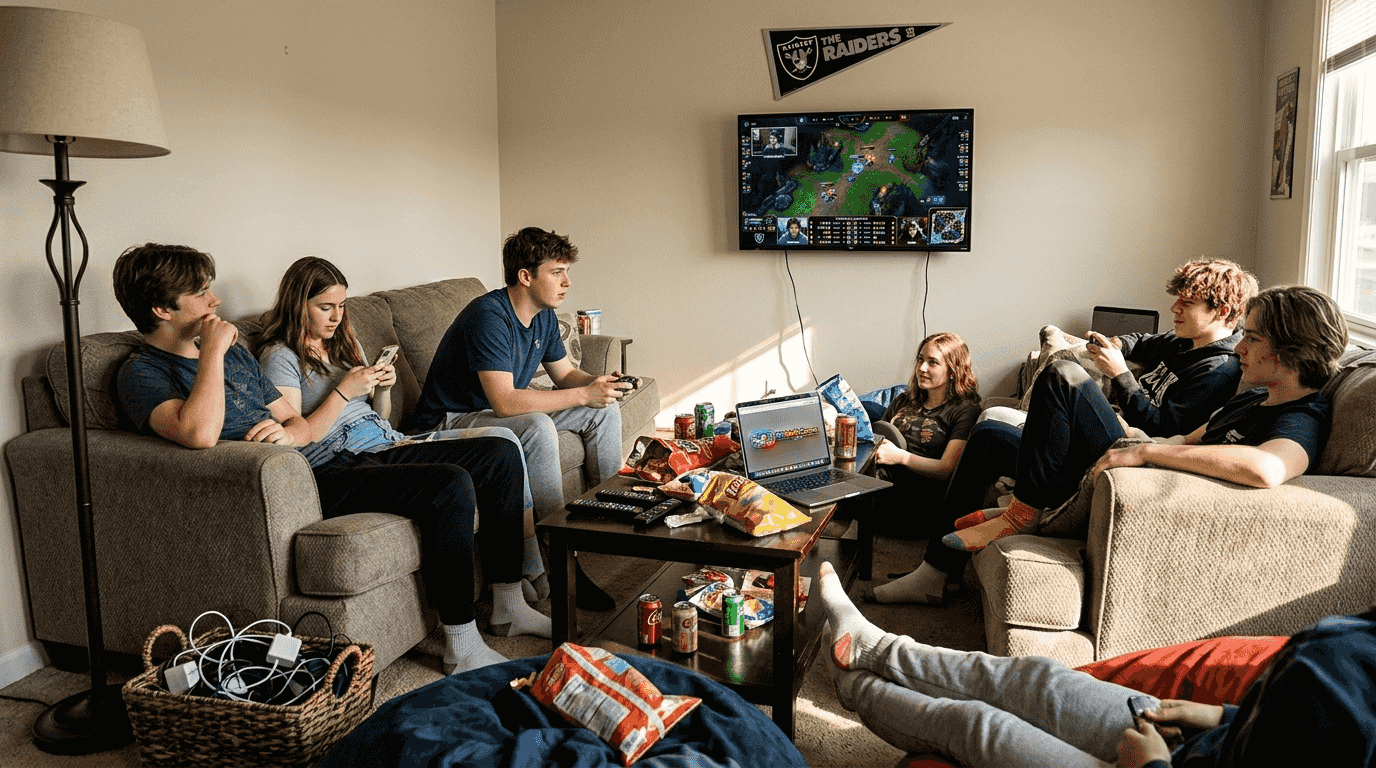
70% of esports audiences are aged 18-34, making it one of the most youth-concentrated entertainment sectors globally. This demographic influence explains esports’ rapid adoption of social media, meme culture, and digital-first marketing strategies. The community speaks the language of internet natives.
Several cultural shifts have emerged:
- Gaming as legitimate career: Parents increasingly support children pursuing esports professionally
- Social communities: Online friendships and team affiliations create strong identity bonds
- Inclusive participation: Esports offers opportunities regardless of physical attributes or location
- Mental health awareness: Community discussions around burnout and pressure have grown
- Cross-cultural exchange: International competitions expose fans to diverse gaming styles and cultures
The perception of gaming has evolved from solitary escapism to social sport. Watching esports with friends, attending live events, and participating in online communities provide the same social fulfillment as traditional sports fandom. This social dimension drives retention and engagement.
Esports has also democratized competitive opportunity. You don’t need expensive equipment, elite physical genetics, or geographic proximity to training facilities. A capable PC or smartphone and internet connection open doors. This accessibility expands the talent pool globally and creates meritocratic competition.
For insights on how competitive gaming intersects with broader gaming culture and reviews, understanding community values and discourse is essential. Reviews shape which games become esports titles, and community feedback influences developer decisions on competitive features.
Pro Tip: Engage with esports communities on Reddit, Discord, and Twitter to understand cultural nuances before jumping into competitive play. Each game’s community has unwritten rules and etiquette that enhance the experience.
Mobile esports and regional growth dynamics
While PC esports dominates headlines in Western markets, mobile esports is quietly outpacing it globally. Smartphone penetration in emerging markets has created a massive new player base that prefers mobile gaming for accessibility and cost reasons. This shift is reshaping the esports landscape.
Mobile esports grows 20-25% annually, significantly faster than PC esports’ 10-12% growth rate. Several factors drive this disparity. Smartphones cost less than gaming PCs, are more widely available, and serve multiple purposes beyond gaming. For millions in Southeast Asia, Latin America, and Africa, mobile devices are the only viable gaming platform.
Regional differences matter enormously:
- Asia: Dominates with government support, massive prize pools, and cultural acceptance of gaming
- North America: PC-centric with slower mobile adoption but growing interest
- Europe: Balanced between PC and mobile with strong infrastructure
- Latin America: Rapid mobile growth driven by smartphone accessibility
- Africa: Emerging market with mobile-first approach due to infrastructure limitations
| Region | Primary Platform | Annual Growth | Key Titles |
|---|---|---|---|
| Asia | Mobile | 25% | PUBG Mobile, Mobile Legends, Honor of Kings |
| North America | PC | 8% | League of Legends, Valorant, Call of Duty |
| Europe | Mixed | 12% | CS:GO, Dota 2, FIFA Mobile |
| Latin America | Mobile | 22% | Free Fire, PUBG Mobile, Clash Royale |
| Africa | Mobile | 30% | PUBG Mobile, Call of Duty Mobile |
Asia leads global esports in revenue, viewership, and infrastructure. Countries like South Korea and China have government programs supporting esports development, treating it as cultural export and economic opportunity. This institutional backing accelerates growth far beyond grassroots Western development.
Mobile esports’ free-to-play model lowers entry barriers dramatically. Players can start competing without purchasing games or expensive hardware. Monetization through in-game purchases and battle passes sustains developers while keeping core gameplay accessible. This model has proven more scalable globally than premium PC titles.
For gamers interested in mobile esports growth, understanding regional preferences and platform-specific strategies is crucial. Mobile competitions require different skills than PC, emphasizing touch controls, shorter match durations, and on-the-go accessibility.
Common misconceptions about esports growth
Despite mainstream acceptance, misconceptions about esports persist. These myths often stem from outdated stereotypes or unfamiliarity with modern competitive gaming’s demands. Addressing them improves understanding and respect for the industry.
Myth 1: Esports isn’t physically demanding
Reality: Professional players undergo rigorous training comparable to traditional athletes. Physical fitness improves reaction time, reduces injury risk, and maintains mental sharpness during long competitions. Teams employ physical trainers, nutritionists, and sports psychologists. Wrist injuries, back problems, and eye strain are occupational hazards requiring preventive care.
Myth 2: Esports is just casual gaming scaled up
Reality: Professional esports requires thousands of hours of deliberate practice, team coordination, strategic depth, and mental resilience. The skill gap between casual players and professionals is vast. Top players master game mechanics, develop strategic creativity, and perform under intense pressure with financial stakes.
Myth 3: Esports careers aren’t financially sustainable
Reality: Top players earn millions through salaries, prize money, and sponsorships. Even mid-tier professionals make comfortable livings. The ecosystem now includes coaches, analysts, content creators, broadcasters, and managers with stable career paths. Economic diversification supports long-term sustainability.
Myth 4: Esports is just a passing trend
Reality: Two decades of consistent growth, institutional investment, and cultural integration demonstrate staying power. Traditional sports organizations, universities, and governments now recognize esports’ legitimacy. Infrastructure investments signal confidence in long-term viability.
Common misunderstandings include:
- Assuming all gamers can become pros (actual success rate is similar to traditional sports)
- Believing esports has no physical component (reaction time, endurance, and injury prevention matter)
- Thinking esports is easier than traditional sports (different challenges, comparable difficulty)
- Assuming geographic location doesn’t matter (regional infrastructure and support vary dramatically)
Pro Tip: When discussing esports with skeptics, compare training regimens, injury rates, and career earnings to traditional sports. The parallels often surprise people unfamiliar with competitive gaming’s professionalization.
Debunking these myths helps legitimize esports for parents considering supporting children’s competitive gaming aspirations, educators developing esports programs, and potential fans curious about the scene.
Bridging knowledge to action: what this means for gamers and fans
Understanding esports growth is valuable, but applying that knowledge creates opportunities. Whether you’re a player, fan, or curious observer, the esports ecosystem offers multiple entry points and participation models. Here’s how to engage meaningfully.
-
Start as informed spectator: Choose a game that interests you and follow major tournaments. Learn team histories, player personalities, and strategic nuances. Platforms like Twitch make this free and accessible.
-
Join online communities: Reddit, Discord, and game-specific forums provide space to discuss matches, ask questions, and connect with fans. Community participation deepens understanding and enjoyment.
-
Explore casual competition: Ranked modes in games offer competitive experiences without professional pressure. Improving your rank provides achievable goals and skill development.
-
Consider content creation: Streaming gameplay, creating analysis videos, or writing about esports builds audiences and can generate income. The creator economy within esports is thriving.
-
Attend live events: Nothing matches the energy of in-person tournaments. Major events like EVO, The International, and League of Legends Worlds offer festival-like experiences with community connection.
-
Stay informed on industry trends: Following esports news helps anticipate new opportunities, game releases, and career openings. The industry evolves rapidly, creating unexpected pathways.
-
Develop transferable skills: Esports teaches teamwork, strategic thinking, communication, and resilience. These skills apply broadly in education and careers beyond gaming.
For those interested in getting involved in esports as players or viewers, starting with accessible titles and communities reduces intimidation. Games like Rocket League, Brawl Stars, and Valorant offer lower skill floors while maintaining competitive depth.
Mobile gamers can leverage smartphone accessibility by exploring titles with active competitive scenes and improving mobile esports skills through dedicated practice and community resources. Mobile esports’ growth creates opportunities often overlooked by PC-focused competitors.
The future holds roles we can’t yet imagine. Virtual reality esports, blockchain-based competitions, and AI-assisted training tools will create new positions and opportunities. Staying curious and adaptable positions you to capitalize on these developments.
Explore esports gaming and guides with PCMobileGames
Navigating the rapidly evolving esports landscape requires reliable, up-to-date information. PCMobileGames offers comprehensive resources designed specifically for gamers interested in competitive play, whether you’re exploring esports for the first time or looking to refine your skills.
Our esports starting guides walk through everything from choosing your first competitive game to understanding tournament formats and building foundational skills. We cover both PC and mobile esports, recognizing that competitive gaming spans platforms and requires different approaches.
For mobile gamers, our mobile gaming guide 2026 explores the latest trends, top competitive titles, and strategies for success in the fastest-growing segment of esports. Mobile esports presents unique opportunities that PCMobileGames helps you navigate effectively.
Beyond esports, PCMobileGames blog and guides deliver honest reviews, cheat codes, expert tips, and breaking news across PC, mobile, PlayStation, and Xbox platforms. Whether you’re a casual player or aspiring pro, we provide the insights you need to elevate your gaming experience in 2026’s dynamic landscape.
FAQ
What is esports and how is it different from casual gaming?
Esports is organized competitive video gaming featuring professional players, teams, leagues, and tournaments with substantial prize pools. Unlike casual gaming, which is recreational and informal, esports involves structured competition, official rules, coaching staff, and significant spectator engagement. The skill level and dedication required mirror traditional professional sports.
How have streaming platforms influenced esports growth?
Streaming platforms drove over 50% viewership increases between 2020 and 2024 by making tournaments globally accessible in real-time. Twitch and YouTube Gaming enabled community interaction through live chats, monetization for players and organizers through subscriptions and ads, and discoverability that exposed millions to competitive gaming. These platforms transformed esports from niche hobby to mainstream entertainment.
Why is mobile esports growing faster than PC esports?
Mobile esports sees 20-25% annual growth compared to PC’s 10-12%, driven by smartphone accessibility and lower cost barriers. Emerging markets with high mobile penetration but limited PC access fuel this growth. Free-to-play mobile titles like PUBG Mobile and Free Fire attract massive player bases, creating larger potential competitive communities than premium PC games.
Do esports players require physical training?
Yes, professional esports athletes undergo physical training to maintain reflexes, stamina, and mental focus during long competitions. Teams employ fitness trainers and nutritionists because physical health directly impacts performance. Wrist strength, cardiovascular endurance, and posture maintenance prevent injuries and extend career longevity, making physical conditioning essential for competitive success.
Recommended
Comments
0 comments

