

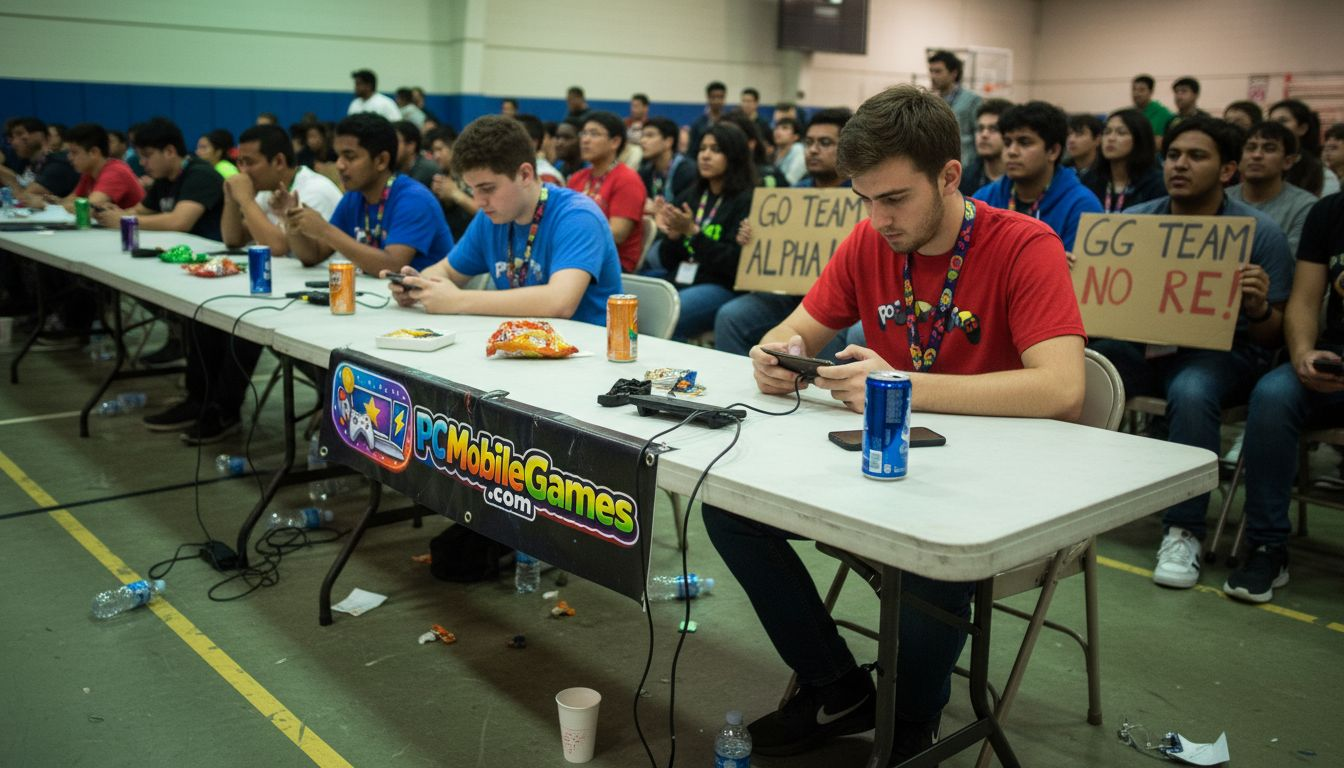
Mobile esports has exploded into a global phenomenon, attracting 641 million viewers worldwide and offering millions in prize money. Yet many gamers still wonder what separates mobile esports from casual mobile gaming. This guide breaks down the competitive mobile gaming landscape in 2026, covering defining characteristics, major tournaments like PUBG Mobile World Cup and M7 World Championship, popular game titles, and how this accessible form of esports is reshaping the gaming industry for both casual and competitive players.
Table of Contents
Key takeaways
| Point | Details |
|---|---|
| Mobile esports definition | Competitive gaming on smartphones and tablets featuring structured tournaments, professional teams, and substantial prize pools. |
| Market growth | Part of the $2.13 billion global esports industry, with revenue up 16% since 2024. |
| Major 2026 events | PMWC offers $3 million across 32 teams in Riyadh; M7 World Championship hosts 22 teams in Jakarta. |
| Gameplay features | Fast matches averaging 10-15 minutes, accessible controls, and strategic depth suited for mobile platforms. |
What is mobile esports? Definition and industry context
Mobile esports refers to competitive gaming played on smartphones and tablets, where players and teams compete in organized tournaments for prizes, rankings, and professional recognition. Unlike casual mobile gaming, mobile esports features structured competitive formats, professional player contracts, coaching staff, and spectator-focused broadcasts. This segment has become a major force within the larger esports industry worth $2.13 billion.
The mobile esports sector has experienced remarkable expansion due to smartphone ubiquity. With billions of mobile devices worldwide, competitive mobile gaming reaches audiences that traditional PC or console esports cannot. The global esports audience of 641 million viewers includes a rapidly growing mobile segment, driven by accessibility and lower barriers to entry. Players don’t need expensive gaming PCs or consoles to compete at high levels.
Several factors explain why mobile esports continues gaining momentum:
- Convenience and portability allow players to practice and compete anywhere
- Shorter match durations fit modern lifestyles and viewing habits
- Free-to-play models reduce financial barriers for new competitors
- Global reach connects players across regions and economic backgrounds
- Improved mobile hardware supports competitive-level gameplay
Understanding esports growth factors in 2026 reveals how mobile platforms democratize competitive gaming. Mobile esports tournaments now rival traditional esports in viewership and prize money, legitimizing mobile as a serious competitive platform.
“Mobile esports has transformed from a niche market into a mainstream competitive gaming category, offering professional opportunities previously reserved for PC and console players.”
Popular mobile esports games and gameplay characteristics
The mobile esports landscape features several dominant titles, each offering unique competitive experiences. Mobile Legends: Bang Bang ranks among the most-watched esports globally, alongside PUBG Mobile and Call of Duty Mobile. These games share characteristics that make them ideal for competitive mobile play.
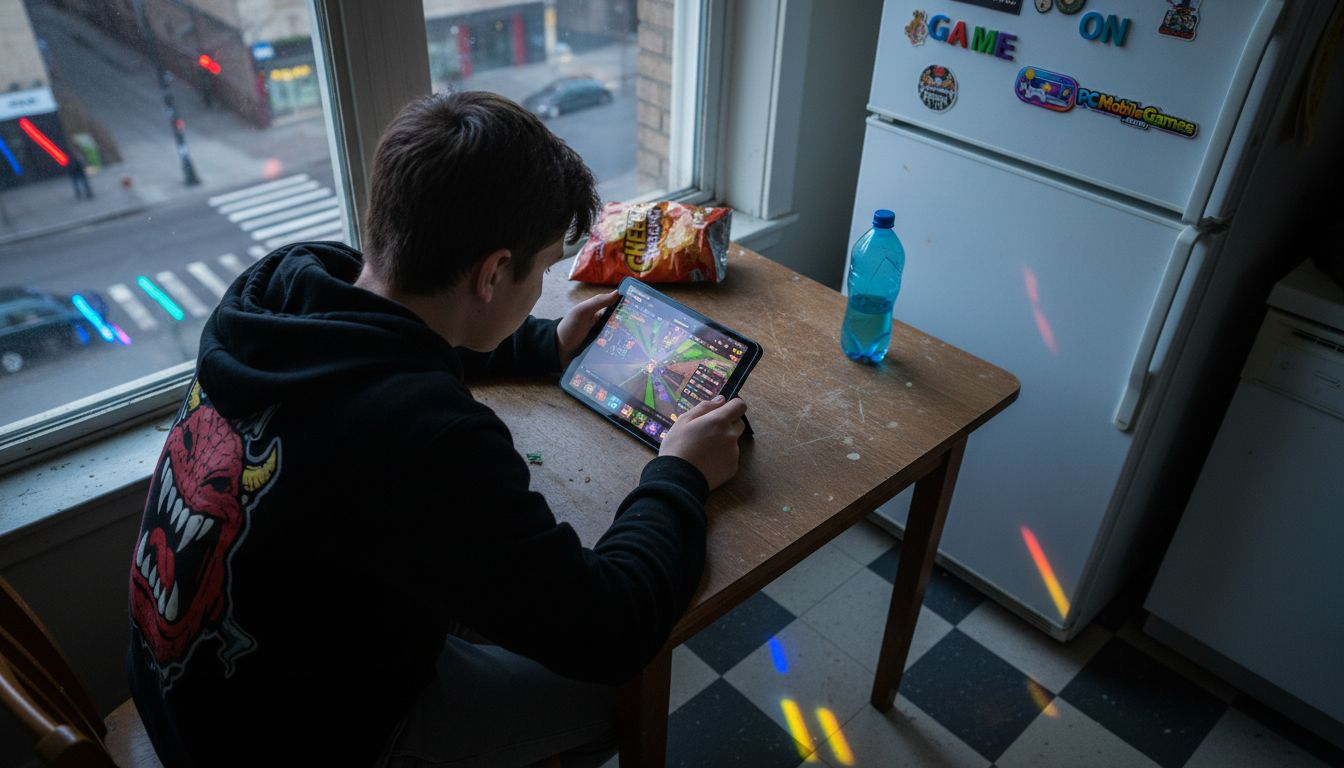
Mobile Multiplayer Online Battle Arena games like Mobile Legends: Bang Bang emphasize strategic team coordination within compact timeframes. Matches average 10-15 minutes, allowing multiple games per session without the time commitment of traditional MOBAs. Players select heroes with distinct abilities, coordinate lane strategies, secure objectives, and destroy enemy bases. The fast-paced nature demands quick decision making and mechanical skill.
Battle Royale titles dominate mobile esports through tactical gameplay and spectator appeal:
- PUBG Mobile features 100-player matches with zone mechanics and survival gameplay
- Call of Duty Mobile Battle Royale combines tactical drops, loadout customization, and familiar franchise mechanics
- Seasonal updates introduce new maps, weapons, and balance changes that keep competitive scenes fresh
These games succeed on mobile by adapting controls and pacing for touchscreens. Developers optimize user interfaces for smaller screens while maintaining competitive depth. Auto-run features, aim assist options, and customizable button layouts help bridge the gap between mobile and traditional gaming inputs.
Pro Tip: Success in mobile esports starts with mastering your chosen role or class. In Battle Royale games, efficient looting and smart positioning matter more than pure shooting skill. Practice drop locations and rotation paths to gain consistent early-game advantages.
Exploring top mobile games in 2025 helps identify which titles offer the best competitive opportunities. Each game cultivates distinct player communities and competitive ecosystems, so finding the right fit enhances your mobile esports experience.
Major 2026 mobile esports tournaments and their formats
Mobile esports tournaments in 2026 showcase the industry’s maturity through substantial prize pools, professional production, and global participation. Two flagship events exemplify mobile esports’ competitive scale.
The PUBG Mobile World Cup 2026 takes place in Riyadh from August 6-16, featuring a $3 million prize pool distributed across 32 qualified teams. This tournament represents the pinnacle of mobile Battle Royale competition, drawing the world’s best PUBG Mobile squads. Teams earn qualification through regional championships across Asia, Europe, Americas, and Middle East regions.
The M7 World Championship 2026 in Jakarta brings together 22 elite Mobile Legends: Bang Bang teams through a multi-phase format. This MOBA-focused championship demonstrates mobile esports’ strategic depth and team coordination requirements. The tournament structure ensures competitive integrity while providing exciting viewer experiences.
| Tournament | Date | Teams | Format | Prize Pool |
|---|---|---|---|---|
| PUBG Mobile World Cup | Aug 6-16 | 32 | Regional Qualifiers → Main Event | $3 million |
| M7 World Championship | TBA 2026 | 22 | Wild Card → Swiss → Knockout → Finals | Undisclosed |
Typical mobile esports tournament progression follows these phases:
- Wild Card stage filters lower-seeded teams through elimination matches
- Swiss Stage uses performance-based pairing where teams face opponents with similar records
- Knockout rounds feature single or double elimination brackets
- Grand Finals determine champions through best-of series or point accumulation
- Regional qualifiers preceding main events ensure global representation
Pro Tip: Following official tournament schedules and bracket updates helps you understand team progression and identify potential upsets. Most organizers publish detailed schedules weeks in advance, allowing fans to plan viewing and players to study opponent strategies.
Staying informed through gaming news coverage in 2026 ensures you never miss major tournament announcements or format changes. Tournament organizers continuously refine competitive structures based on community feedback and viewership data.
The impact of mobile esports on players and the global gaming landscape
Mobile esports has fundamentally changed how people engage with competitive gaming, creating opportunities for players regardless of their resources or location. The accessibility of mobile platforms means casual gamers can transition into competitive play without significant financial investment. You can start competing using the smartphone you already own, eliminating the hardware barrier that traditionally limited esports participation.
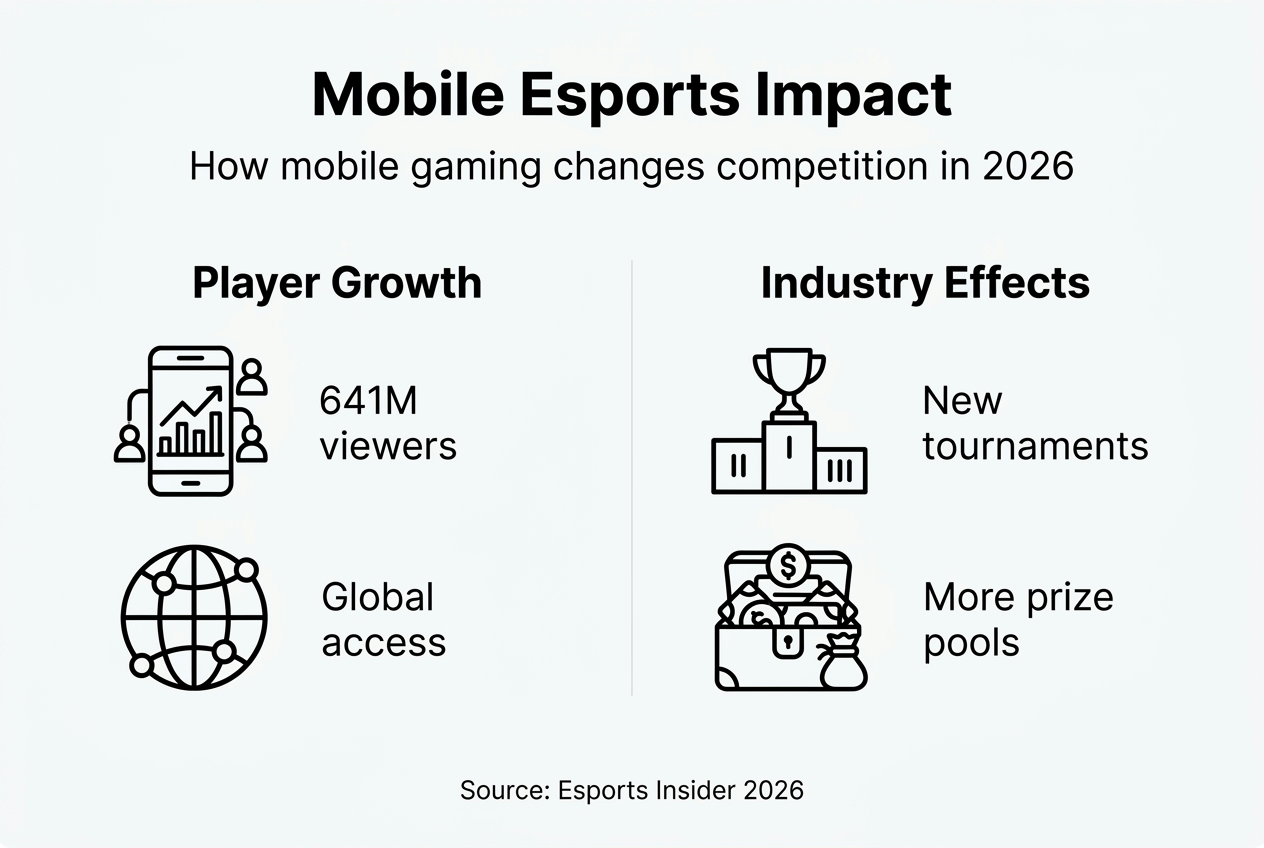
Educational institutions have embraced mobile esports alongside traditional esports titles. Over 8,000 high schools now offer esports programs, many including mobile game competitions. These programs provide scholarships, team structures, and coaching that legitimize competitive gaming as an extracurricular activity. Students develop teamwork, strategic thinking, and communication skills through organized mobile esports competition.
Mainstream acceptance has accelerated as major sports networks and streaming platforms broadcast mobile esports events. Esports has evolved into a major industry with professional tournaments rivaling traditional sports in production value and audience engagement. Mobile esports contributes significantly to this evolution by reaching demographics that traditional gaming cannot access.
The mobile esports community offers multiple benefits:
- Skill development through competitive practice and coaching resources
- Social connections with teammates and opponents worldwide
- Career potential including professional player contracts, content creation, and tournament organization
- Lower toxicity in some mobile communities compared to PC competitive scenes
- Flexible participation allowing competition around work or school schedules
“What began as a hobby has transformed into a global profession, with mobile esports leading the charge in making competitive gaming accessible to everyone with a smartphone.”
Understanding where to start as an esports player helps you navigate this expanding landscape. Mobile esports provides entry points for viewers and competitors alike, whether you want to watch world championships or join amateur tournaments. The mobile format’s convenience means you can engage with competitive gaming on your own terms.
Explore more about mobile esports and gaming in 2026
We provide comprehensive resources designed specifically for gamers exploring mobile esports. Our detailed mobile gaming guide for 2026 covers fundamentals from hardware selection to game genres. You’ll find expert analysis on why esports continues growing, examining market trends and technological advances shaping the industry.
Looking to improve your competitive performance? Our mobile gaming tips for better play offer actionable strategies for various game types. Whether you’re starting your mobile esports journey or refining advanced techniques, we deliver content tailored to your skill level and gaming interests.
FAQ
What devices are commonly used in mobile esports?
Mobile esports competitors primarily use high-end smartphones and tablets with flagship processors and high refresh rate displays. Professional players favor devices with low touch latency, excellent thermal management, and responsive screens. Gaming-focused phones from brands like ASUS ROG and Nubia RedMagic offer features specifically designed for competitive play, though many pros succeed with standard flagship devices from Apple and Samsung.
How do esports tournaments like PMWC and M7 differ in format?
PMWC 2026 features 32 teams competing in Battle Royale format across multiple matches, with points awarded based on placement and eliminations. The tournament emphasizes survival skills and consistent performance across many games. M7 World Championship uses a phased MOBA format with Wild Card qualifiers, Swiss Stage groupings, and knockout brackets, focusing on best-of series team versus team matches that highlight strategic drafting and execution.
Can casual players participate in mobile esports events?
Yes, mobile esports offers numerous entry points for casual players through online tournaments, in-game ranked systems, and community competitions. Many games feature tiered tournament structures where players compete within their skill brackets. High school esports programs and amateur leagues provide organized competitive experiences without requiring professional-level commitment, making mobile esports accessible to anyone interested in competitive gaming.
What skills are most important for mobile esports success?
Successful mobile esports competitors develop game sense, mechanical skill, communication, and adaptability. Understanding map awareness, objective timing, and opponent tendencies separates good players from great ones. You also need consistent mechanical execution under pressure, clear communication with teammates, and the ability to adjust strategies mid-match. Mental resilience and continuous learning through replay analysis further distinguish top competitors.
Recommended
- What is mobile gaming: complete 2026 guide
- Why esports is growing: 5 key factors driving the 2026 surge
- Top mobile gaming tips for better play in 2026
- What is gaming hardware? A 2026 guide for gamers
Comments
0 comments

