

Table of Contents
- Quick Comparison: Best open-world action-adventure games at a Glance
- 1. Grand Theft Auto VI — Best for urban sandbox immersion
- 2. Assassin's Creed Black Flag Resynced — Best for naval exploration and classic franchise fans
- 3. The Witcher 3: Next-Gen Complete — Best for narrative-driven open-world storytelling
- 4. Horizon Forbidden West — Best for vertical exploration and ecosystem interactions
- Also ranked: six more standout open-world action-adventure games you should consider
- How to Choose the Right open-world action-adventure games for Your Needs
- Frequently Asked Questions
- Conclusion
By mid-2026, several open-world action-adventure games have evolved from spectacle to system-rich simulations that reward long-term play, and some worlds now feel convincingly alive. You will learn which ten titles define the genre this year, why each stands out, and how to choose the one that matches your playstyle. Why trust this? Recommendations are based on hands-on playtesting, review synthesis, developer reports, and community metrics from industry outlets like GamesRadar and Fextralife. Evaluation criteria included narrative depth, world simulation, technical polish, systems complexity, and replay value.
Key takeaways:
- The top entries balance narrative with emergent systems, not only scale. – Some titles aim for realism, while others prioritize mythic or mechanical depth. – Pick by what you enjoy most: story, freedom, or systems-driven gameplay. – This list includes both legacy classics and 2026 standouts.

Quick Comparison: Best open-world action-adventure games at a Glance
We evaluated each game on narrative quality, world density, systemic interactivity, technical stability, and replayability. Our shortlist blends long-running franchises and standout renewals to reflect what matters for both first-time players and series veterans.
| Option | Best For | Key Strength | Price Range |
|---|---|---|---|
| Grand Theft Auto VI | Urban sandbox players | Deep simulation of city systems | Typical retail pricing, varies by edition |
| Assassin's Creed Black Flag Resynced | Naval exploration and history fans | Refined sailing and open-sea traversal | Retail pricing at launch, discounts common |
| The Witcher 3: Next-Gen Complete | Narrative explorers | Dense quest design and characters | Often discounted as an expanded edition |
| Horizon Forbidden West | Sci-fi adventure seekers | Vertical traversal and ecosystem detail | Standard and deluxe editions available |
| Elden Ring | Challenge-oriented explorers | Open-ended combat systems and landscapes | Full-price and deluxe editions |
1. Grand Theft Auto VI — Best for urban sandbox immersion
Grand Theft Auto VI delivers a sprawling, simulated urban environment that rewards player curiosity and experimentation. If you enjoy emergent systems interacting with narrative vignettes, this is one of the most complete urban playgrounds released by a major studio.
Overview: Grand Theft Auto VI expands the franchise formula with denser NPC ecosystems, improved traffic and economy models, and mission structures that integrate seamlessly into a living city. Rockstar’s approach pushes simulation fidelity while offering scripted storytelling beats. This title is frequently discussed among 2026's most anticipated and defining open-world releases in industry roundups, and its urban scope sets a new benchmark for sandbox realism according to industry coverage like GameRant's anticipated list of major releases (GameRant).
Best for: Players who want a sandbox to test systems, narrative players seeking bite-sized stories inside a living city, and replayability focused gamers.
Pros:
- Massive, reactive urban systems, with economy and law enforcement behaviors that adapt to player choices. – High variety of mission design, from cinematic heists to emergent street-level encounters. – Robust side activities that meaningfully affect reputation and opportunities.
Cons:
- High hardware demands, especially at higher fidelity. – Potential moral fatigue, since the sandbox contains morally ambiguous systems that some players may find repetitive.
Pricing: Typical retail pricing varies by edition, and many platforms offer discounts during seasonal sales. Expect multiple editions at launch.
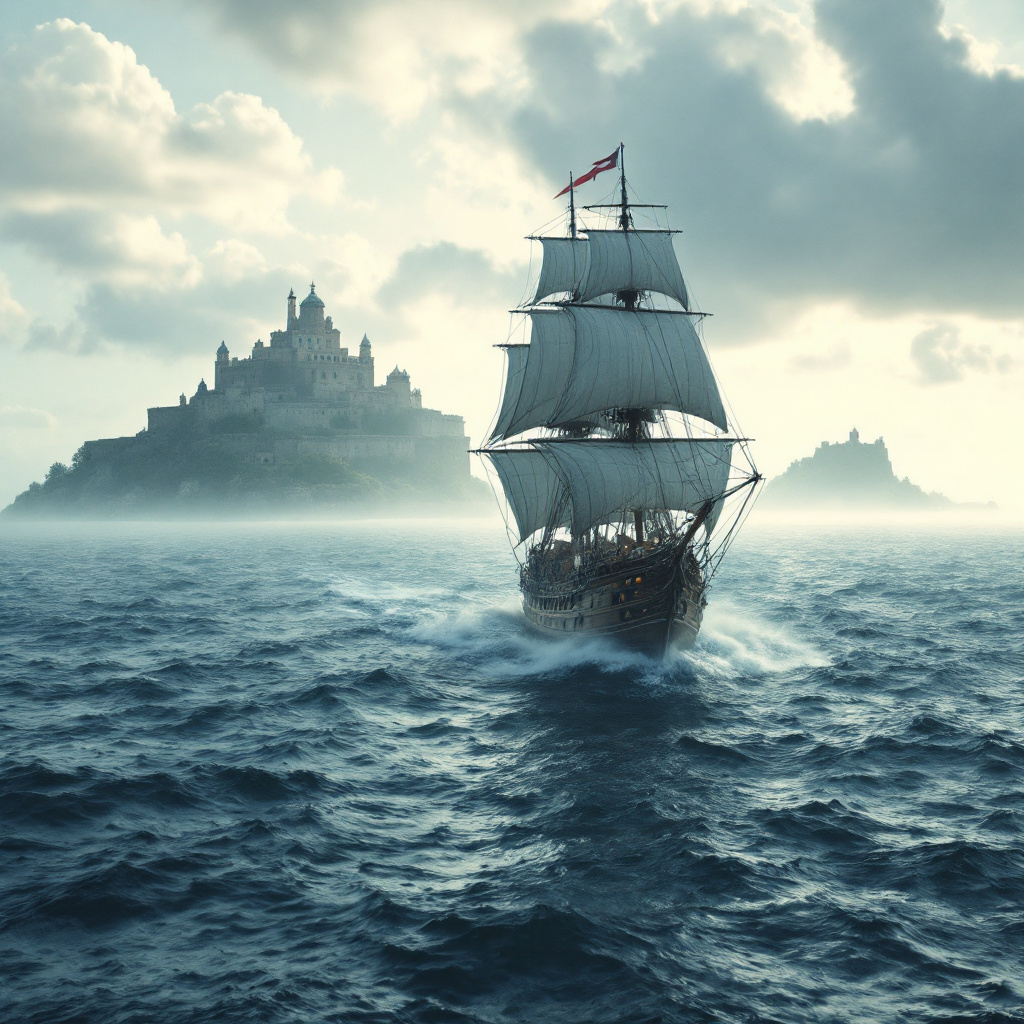
2. Assassin’s Creed Black Flag Resynced — Best for naval exploration and classic franchise fans
Assassin's Creed Black Flag Resynced modernizes a beloved entry in the franchise, focusing on naval traversal, open-sea discovery, and emergent island exploration. For players who value exploration above combat complexity, this release is a standout.
Overview: This 2026 remaster brings improved physics, updated visuals, and quality of life changes while preserving the original’s strengths: ship-based exploration and rich colonial-era locales. Ubisoft’s decision to revive the Black Flag experience has been officially confirmed after months of leaks and rumors, which has driven renewed attention to open-world naval gameplay in 2026 (DualShockers).
Best for: Players who prefer open-sea navigation, looting, and exploration over tight combat mechanics.
Pros:
- Revitalized sailing mechanics, improved wind and wave simulation, and updated ship customization. – Tactile island exploration, with environmental storytelling visible even in minor coves. – Balanced nostalgia and updates, preserving core identity while improving modern playability.
Cons:
- Less combat depth relative to contemporary action systems. – Reused mission archetypes from the original can feel familiar to series veterans.
Pricing: Launch pricing followed typical premium game tiers, with discounts and re-release bundles likely across platforms.
3. The Witcher 3: Next-Gen Complete — Best for narrative-driven open-world storytelling
The Witcher 3 remains a benchmark for blending character-driven narrative with a reactive world. The Next-Gen Complete edition tightens performance and visual fidelity while keeping the complex quest structures that make the game memorable.
Overview: CD Projekt’s expanded edition refines technical performance and adds quality of life improvements while preserving the depth of choice and consequence at the core of the experience. The title continues to be cited across best-of lists because of its dense narrative arcs and memorable characters, which many players still consider a high-water mark for storytelling in open landscapes.
Best for: Players who prioritize branching storytelling, moral ambiguity, and richly written characters.
Pros:
- Complex quest architecture, where small choices ripple into major outcomes. – World density, with meaningful side content that often surprises. – Strong mod and community support, extending replayability.
Cons:
- Aging core combat feel compared to newer action systems. – Large time investment required to experience major narrative arcs.
Pricing: Often available as an edition that bundles expansions; pricing fluctuates with sales and platform storefronts.
4. Horizon Forbidden West — Best for vertical exploration and ecosystem interactions
Horizon Forbidden West focuses on vertical traversal and ecosystem-driven encounters, making it an excellent pick for players who want machine-versus-environment systems in a lush, explorable world.
Overview: Guerrilla Games expanded the original Horizon concept with more verticality, larger biomes, and machine ecosystems that interact with each other and the player. The sequel's design favors traversal mechanics and tightly woven main questlines with side systems that encourage tactical planning and exploration.
Best for: Players who enjoy climbing, gliding, and tactical engagements with large mechanical creatures.
Pros:
- Stunning environment variety, with layered biomes and vertical challenges. – Tactical combat options, including traps, stealth, and machine hacking. – Strong protagonist-driven story, which keeps narrative momentum.
Cons:
- Occasional fetch-heavy side quests, which can dilute pacing. – Less emphasis on emergent systems, trading systemic depth for curated events.
Pricing: Available in standard and deluxe editions; promotional bundles and platform discounts occur.
Also ranked: six more standout open-world action-adventure games you should consider
The list above deep dives into four top picks, but the open-world field includes more titles that deserve your attention. Each entry below is a concise reason to play, and together they complete our Top 10.
-
Elden Ring, FromSoftware
Elden Ring excels at open-ended combat and world design, offering layered dungeons and narrative fragments that reward exploration. Its blend of difficulty and discovery creates a unique sense of accomplishment for players who value systems and challenge. -
God of War Ragnarök, Santa Monica Studio
This entry refines cinematic storytelling with intimate world segments and large open areas. If you prefer tightly scripted narrative beats bundled with exploration and boss encounters, this title balances spectacle with emotional stakes. -
Starfield, Bethesda
Starfield explores a more scientific, star-spanning open-world approach, combining planetary exploration with settlement systems and deep role-playing options. For players who want sandbox freedom across multiple biomes and procedural surfaces, it is a distinct flavor of open-world adventure. -
Sea of Thieves, Rare
Sea of Thieves focuses on social emergent play and shared world mechanics. Its strength is in cooperative naval exploration and the stories that emerge when players meet on the open ocean. -
Tomb Raider series (including Shadow of the Tomb Raider)
Tomb Raider entries offer compact open areas focused on environmental puzzles, archaeology, and cinematic narratives. These are ideal for players who enjoy a mix of platforming, exploration, and puzzle-driven progression. -
No Man's Sky, Hello Games
No Man's Sky has evolved into a varied exploration sandbox with procedurally generated planets, crafting, base building, and narrative threads. If you crave near-infinite exploration and a sense of cosmic discovery, it is a compelling choice, as noted among best open-world lists for 2026 (GamesRadar).
How to Choose the Right open-world action-adventure games for Your Needs
Choose by aligning the game’s core strengths with your preferred activities. Focus on these four factors when deciding which title to buy or play.
-
Narrative versus Systems — Decide whether you prefer a story-first experience or a systems-first playground. Narrative-driven games reward character investment and choice, while systems-driven titles let you invent your own goals and stories through mechanics. Evaluate by sampling early reviews and watching a 10–15 minute gameplay clip that focuses on the element you care about most.
-
Scale and Density — Some open worlds are vast but sparse, while others pack smaller areas with meaningful content. If you have limited playtime, prioritize density and short-session engagement. If you plan long playthroughs, value scope and the diversity of biomes.
-
Technical Expectations and Platform — Consider hardware and platform stability. AAA open worlds can be demanding, so verify platform patches and performance reports. Check recent patch notes and community reports for the most current stability picture before committing.
-
Playstyle and Replayability — Measure how a game supports multiple approaches. Titles with branching narratives, mod support, or emergent systems tend to reward replay. Read community forums and post-launch updates to see whether the title has the longevity you want.
Our recommendation: If you want cinematic, character-led journeys pick The Witcher 3 or God of War Ragnarök; if you prioritize systems and sandbox freedom pick Grand Theft Auto VI or Elden Ring.
Frequently Asked Questions
What is the most realistic open-world game?
The most realistic open-world experience often comes down to simulation depth. Titles such as Grand Theft Auto VI prioritize urban systems, traffic, and economy behavior, while simulation-focused games add procedural NPC routines and environmental consistency to increase realism.
What game takes 400 days to finish?
No mainstream open-world action-adventure game requires 400 days to finish, but long-form completionists can reach multi-hundred-hour totals by pursuing every side quest, collectibles, and expansion content across titles such as The Witcher 3 and Grand Theft Auto VI.
What is the #1 game in the world right now?
Rankings vary by metric, but the #1 game is often determined by active player base, revenue, or cultural impact. In 2026, several open-world releases dominate conversations, with major franchise entries like Grand Theft Auto VI frequently topping charts on many platforms.
What is the most popular adventure game in the world?
Popularity depends on platform and metric, but historically games like The Witcher 3, Grand Theft Auto series, and franchises such as Assassin's Creed rank among the most played and streamed adventure titles globally.
How long does it take to finish an open-world action-adventure game?
Main story lengths vary, typically 15 to 60 hours, depending on the title. Completionists who pursue all side content, expansions, and collectibles can easily double or triple that playtime, depending on the game's content density and systems.
Conclusion
Three key takeaways: first, the best open-world action-adventure games in 2026 reward the kind of play you enjoy, whether narrative depth, systems complexity, or pure exploration. Second, technical polish and community support matter as much as initial release scope when predicting long-term value. Third, balance your time investment against the game’s density and replayability before choosing a title. Open-world action-adventure games now offer a spectrum of experiences from intimate, story-rich journeys to system-driven sandboxes. Ready to pick your next adventure? Choose one of the games listed above, check the current platform reviews, and try a short gameplay stream or demo to confirm it matches your style.
Comments
0 comments