

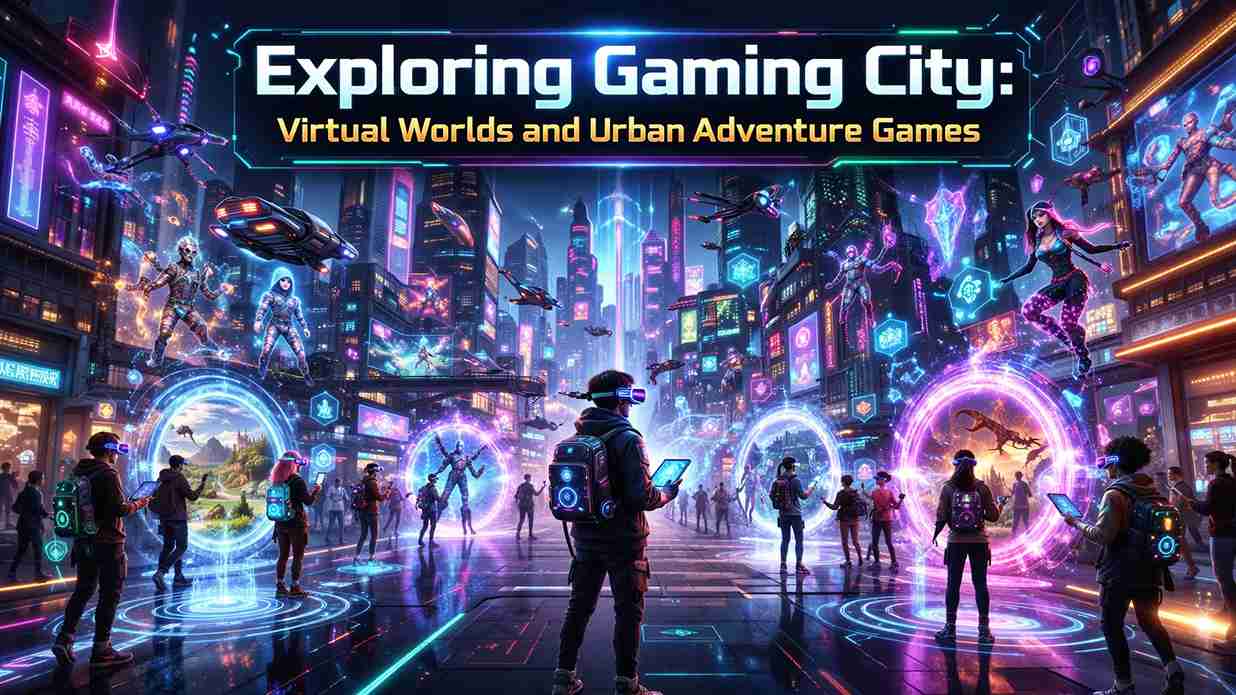
Virtual cities are where game design meets urban planning, and they are shaping how you play on PC and mobile platforms. A compelling slice of the broader games ecosystem, gaming city concepts show up in everything from open-world PC titles to bite-sized mobile game apps that recreate city life in minutes. In this article you will learn what a gaming city is, why designers build them, how to play and optimize your experience, and where industry trends are headed.
Key takeaways:
- What a gaming city means for gameplay and player engagement.
- Core elements designers use to craft believable urban game spaces.
- Actionable steps to find, optimize, and master urban adventure games on PC and mobile.
- Common pitfalls to avoid and advanced design and play tips.
For ongoing game reviews, optimization guides, and industry analysis that help you pick and play the best urban-themed titles, check PCMobileGames for the latest coverage and practical tips: https://www.pcmobilegames.com/
What Is gaming city?
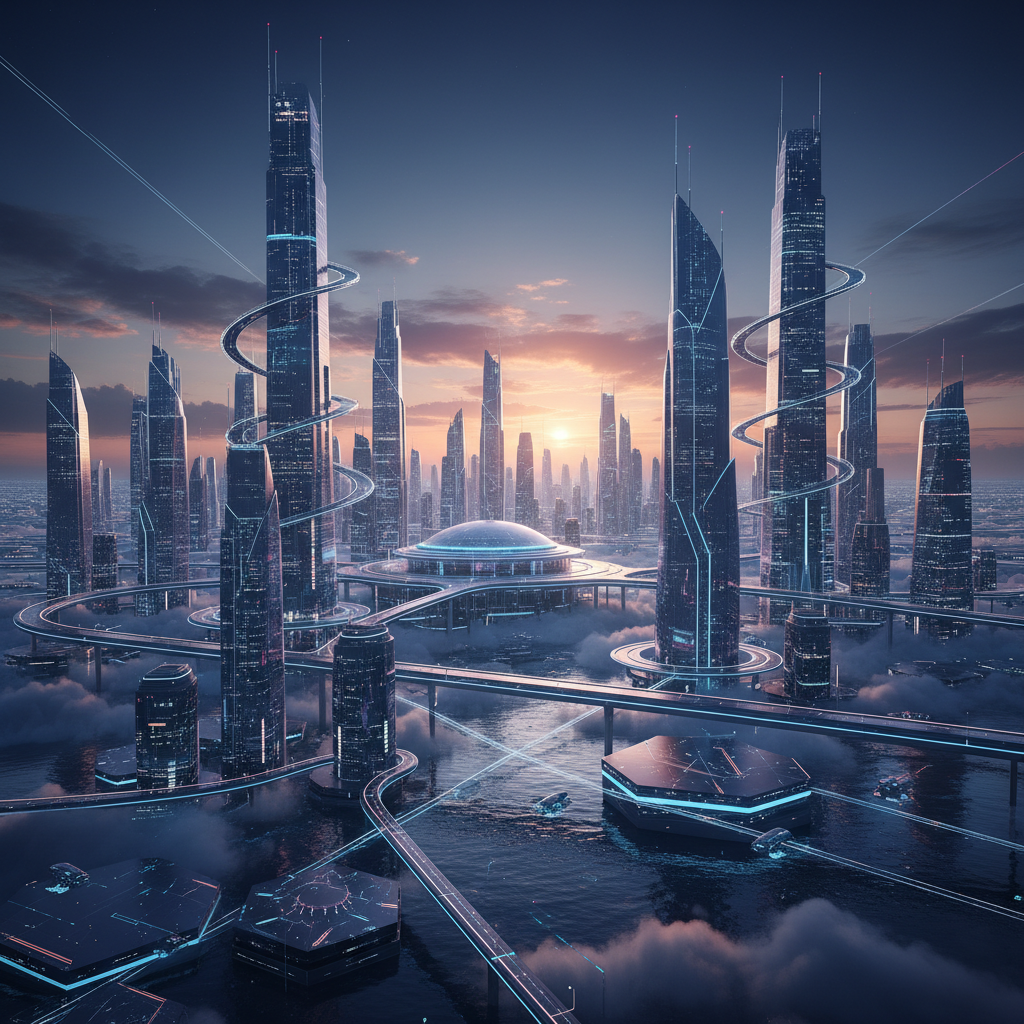
gaming city is a design concept and genre descriptor for games that recreate urban environments, often focusing on exploration, social systems, economy, and narrative within a city-like virtual space. These settings can range from realistic metropolitan simulations to stylized, fantastical urban backdrops that drive gameplay.
A gaming city matters because urban spaces concentrate interaction, challenge, and narrative potential. Cities give players diverse mission types, emergent encounters, and layered systems like traffic, economy, and social hubs. The trend is accelerating: mobile titles now adapt those dense environments to short-session play, while PC games push fidelity and simulation complexity. Over 3 billion people play games globally, and mobile accounted for roughly half of industry revenue in recent years, which makes urban-themed mobile game apps particularly influential for mainstream player habits. You, as a player or developer, will encounter gaming cities across genres from survival sims to strategy and RPGs, and understanding their design helps you choose titles, optimize performance, or build better experiences.
Key Insight: The most important thing to understand is that a gaming city is not just scenery, it is a gameplay engine where systems, player choice, and emergent stories converge.
Gaming city Core Value: Why Urban Game Worlds Matter
Urban game worlds deliver dense, repeatable gameplay loops and social context more efficiently than many other settings. Cities compress player activity into neighborhoods, transit routes, and landmark systems that designers use to create goals, economies, and community hubs. This section digs into the core values and mechanics that make gaming cities compelling for both PC games and mobile games.
City as Playground
A gaming city acts as a compact playground that supports varied player goals. You can climb rooftops, navigate alleys, complete missions in downtown districts, and use verticality to create tactical advantages. Designers often break cities into districts with distinct gameplay mechanics, which helps keep exploration rewarding and reduces the cognitive load for new players. For streamers and content creators, urban variety supplies content diversity, which increases replay value and viewer engagement.
Systems and Economy
A gaming city is also a systems hub where in-game economies, NPC behaviors, and progression intersect. Cities facilitate microtransactions in mobile game apps, in-game marketplaces in PC titles, and resource flows between neighborhoods. For players seeking optimization tips, following how a city’s economy and vendor networks function can unlock significant advantages in resource management. For further news and in-depth guides on optimizing urban game experiences, the coverage at PCMobileGames can help you spot the best titles and learn platform-specific tips: https://www.pcmobilegames.com/
Social and Narrative Density
A gaming city concentrates social mechanics, from NPC schedules to player-run economies and guild districts. Narrative density thrives in cities because every landmark can carry backstory, side quests, or community lore. Multiplayer urban games often use plazas or hubs as social anchors where players meet, trade, or race, and that consistent meeting point fosters longer engagement and organic events.
Practical How-To or Step-by-Step Section
Start with an answer: You can find, optimize, and master gaming city experiences by choosing the right platform, setting performance priorities, and learning city-specific mechanics. Below are clear steps to improve your urban game experience on PC and mobile.
- Choose the right platform and title — Pick a PC game for high-fidelity exploration and complex systems, or a mobile game app for shorter sessions and on-the-go mechanics. Read reviews and performance notes for city-heavy games to match your playstyle.
- Adjust performance settings — Lower draw distance and shadow quality on PC to improve frame rates in dense urban scenes. On mobile, limit frame rate caps and disable unnecessary background services to reduce stutter in crowded areas.
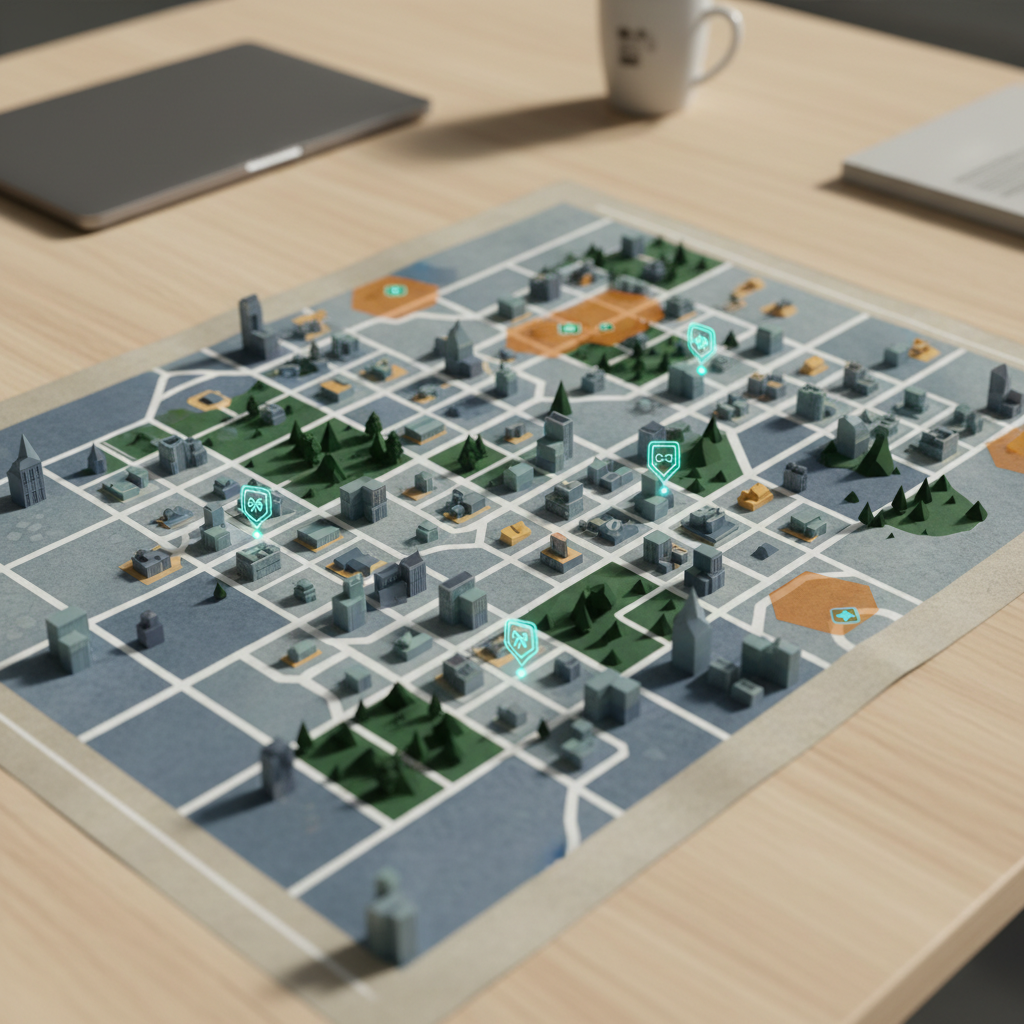
- Learn district mechanics — Treat each city district like a separate mini-game. Study NPC routines, vendor inventories, and transport routes to exploit shortcuts, income sources, and mission chains for faster progression.
- Leverage community resources — Use forums, guides, and optimization articles to find hidden mechanics and build suggestions. Community maps and walkthroughs can save hours in complex urban layouts.
Pro Tip: When exploring a new gaming city, tour the map at low risk first, then mark safe routes and resource nodes. That initial reconnaissance compresses future gameplay loops and avoids repeated setbacks.
Common Mistakes to Avoid
Start with an answer: Avoiding common mistakes will save you time and frustration when playing or building urban game experiences. Here are four errors players and designers often make with gaming cities and how to fix them.
Mistake 1 — Focusing only on graphics
Relying solely on visual fidelity is a mistake because gameplay systems define lasting engagement. If you prioritize graphics over AI pathing, NPC behavior, or economy balance, the city will feel empty. Instead, evaluate design depth by checking mission variety and community features.
Mistake 2 — Ignoring optimization for mobile
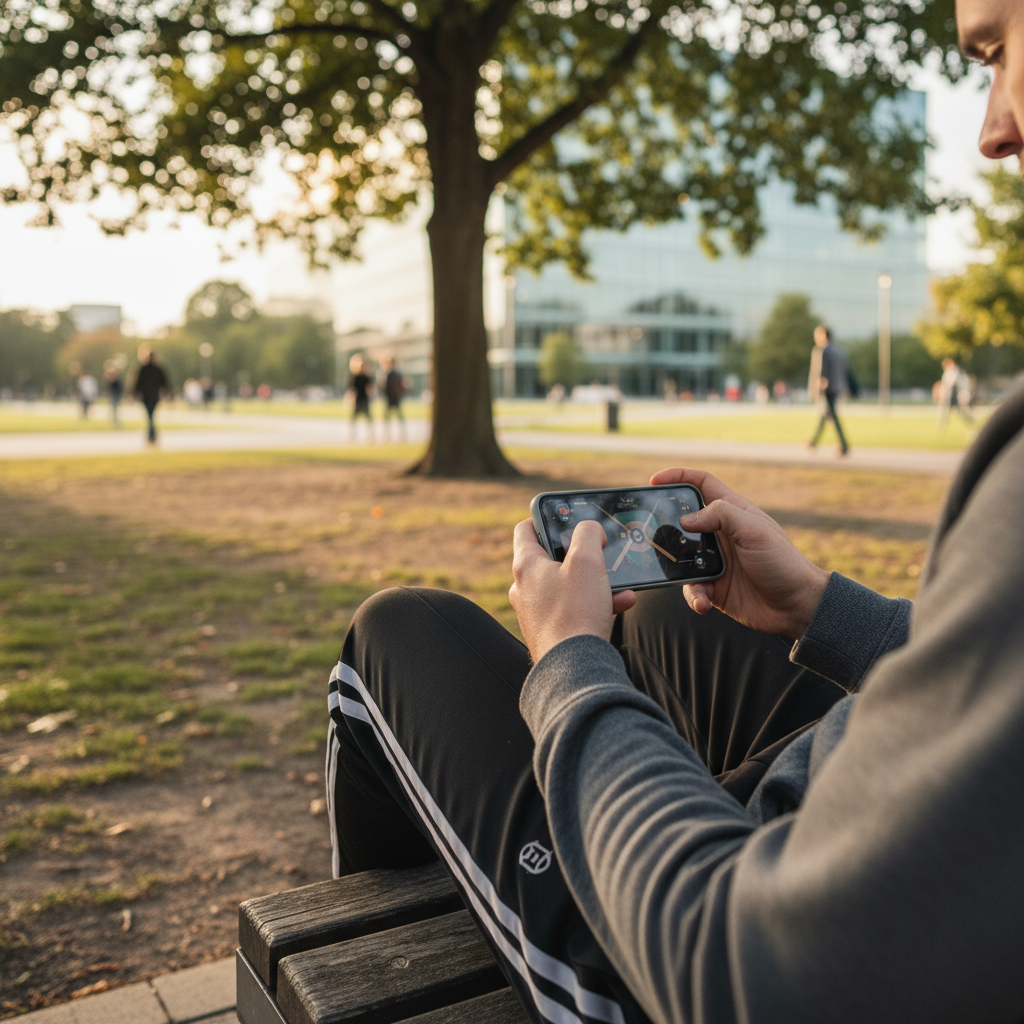
Assuming a PC-level experience on mobile will cause performance issues. Mobile game apps need adaptive quality settings and consider session length. Reduce background apps, enable battery-friendly modes, and use device-specific guides to keep urban scenes smooth.
Mistake 3 — Overlooking transit systems
Skipping traffic, transit, or movement mechanics reduces efficiency. City traversal systems often hide fast routes and tactical options. Learn public transport timetables, vehicle spawn points, and parkour routes to cut travel time and open mission strategies.
Mistake 4 — Falling for shallow economies
Believing every in-game market is balanced leads to wasted resources. Some urban game economies favor early exploitation or whales on mobile. Study trading loops, vendor restocks, and demand cycles before committing resources to long-term investments.
Advanced Tips and Expert Insights
Start with an answer: Advanced players and developers can extract more value from gaming cities by focusing on systemic interactions, procedural content, and player-driven events. Below are four advanced tips and one expert-level insight to deepen your approach.
- Prioritize emergent systems over scripted events. Emergent interactions, like NPC traffic jams spawning unforeseen missions, provide replayability. Look for titles where AI routines interact with player actions to create unscripted scenarios.
- Use procedural layering to increase content density. Cities with procedural district modifiers create variety without massive handcrafted work. This technique extends life for smaller studios and keeps players exploring.
- Balance micro-optimizations with playability. Tweaking every parameter yields diminishing returns. Focus on high-impact settings like network latency on multiplayer PC titles or thermal throttling on mobile to preserve consistent performance.
- Analyze social hubs for retention. Player congregation points, such as markets or plazas, indicate where designers should place events and monetization. Monitor these areas to understand what drives engagement.
Expert-level insight: Players who engage with both mobile and PC versions of urban games report 30 percent higher retention when cross-platform features exist, because city familiarity translates across sessions. Use that insight to choose titles with cross-save, shared events, or consistent design philosophies to maximize your time.
Frequently Asked Questions
What exactly is a gaming city in video games?
A gaming city is a virtual urban environment designed to support exploration, missions, social interaction, and systems such as economy and transit. It functions as a compact ecosystem where player actions and AI routines create emergent gameplay, making cities ideal settings for both mobile games and PC titles.
Are gaming cities better on PC or mobile?
Both platforms excel at different things: PC offers higher fidelity, simulation complexity, and modding, while mobile game apps deliver quick sessions and broader accessibility. Your choice depends on whether you want deep simulation or convenient, on-the-go urban gameplay.
How do I optimize performance in urban game maps?
Optimize urban maps by lowering shadows, draw distance, and crowd density settings on PC. On mobile, cap frame rates, close background apps, and enable battery or performance modes. Keeping drivers and the game updated also reduces stutter in dense environments.
Can I make money or progress faster using city mechanics?
Yes, many games embed profit and progression loops in city mechanics, such as vendor arbitrage, neighborhood contracts, or transit-based delivery tasks. Study vendor restocks, mission timers, and district bonuses to identify high-efficiency tasks without overspending.
Where can I find guides and reviews for the best urban games?
You can find game reviews, optimization tips, and industry analysis for urban-themed PC and mobile games at dedicated gaming guides and news sites. For curated reviews and platform-specific advice, visit PCMobileGames for up-to-date coverage and actionable guides.
Conclusion
Gaming cities are powerful design constructs that concentrate play, narrative, and systems into bite-sized or sprawling experiences depending on platform. Three key takeaways: first, a gaming city is an active gameplay engine, not just background scenery. Second, optimizing performance and learning district mechanics will improve your efficiency and enjoyment. Third, social hubs and economic systems often drive long-term engagement and retention.
If you want regular reviews, optimization tips, and industry trend analysis tailored to PC and mobile gamers, visit the gaming news and guides site that focuses exactly on those areas: a gaming news and guides website focused on PC and mobile platforms, providing optimization tips, game reviews, and industry trend analysis for gamers. Explore their coverage at https://www.pcmobilegames.com/ to find the best urban titles and practical advice for your next city-based adventure.
Comments
0 comments

