


Mobile gaming commands over 50% of the global gaming market’s revenue, yet many still assume these games are merely simple diversions. This perception couldn’t be further from reality in 2026. Mobile gaming encompasses everything from quick puzzle sessions to competitive esports titles rivaling console experiences. This guide breaks down what mobile gaming truly means, the technology powering it, who plays these games, and why outdated assumptions about mobile gaming’s depth need to be retired.
Key takeaways
| Point | Details |
|---|---|
| Device variety | Mobile gaming spans smartphones, tablets, and some handheld devices with mobile operating systems, offering portable play anywhere. |
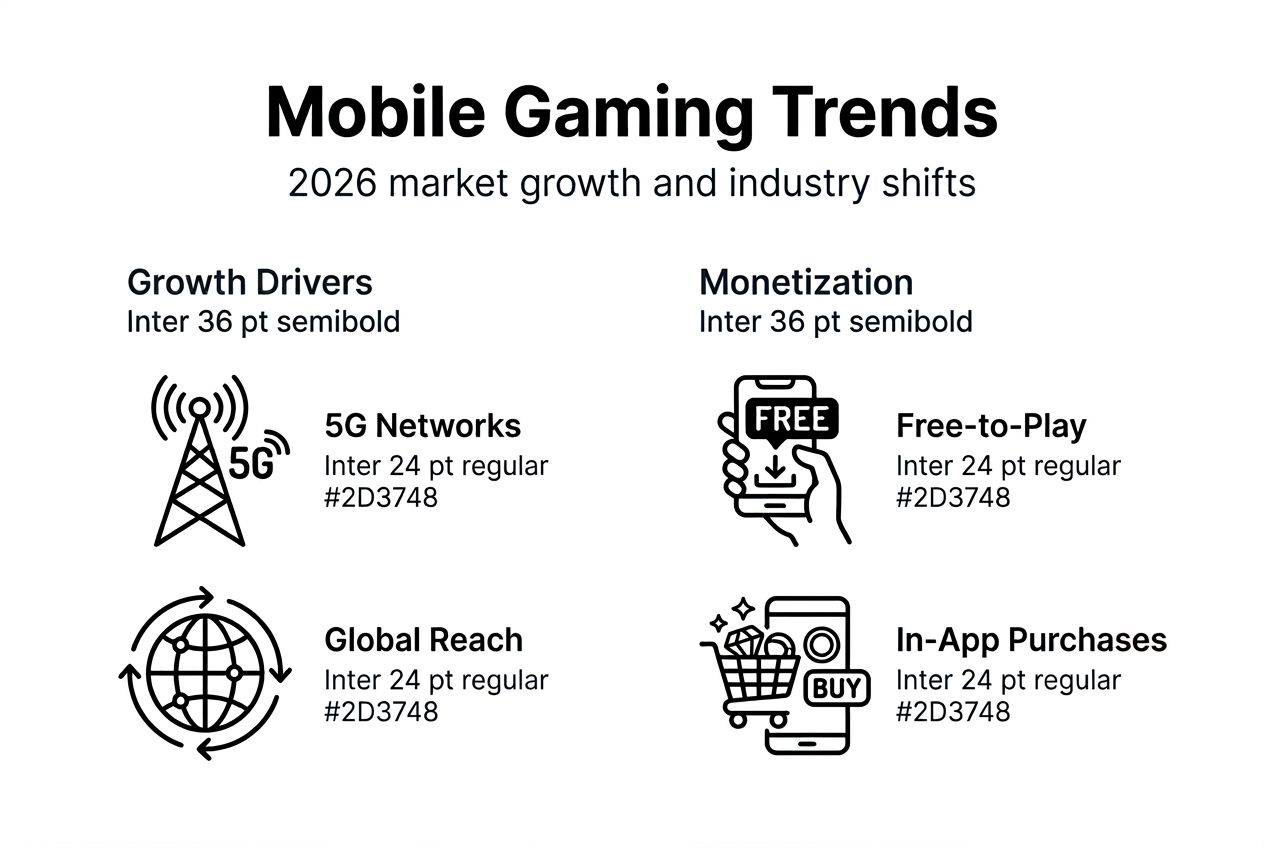
| Technology evolution | 5G reduces latency and cloud gaming services enable console-quality experiences without high-end hardware requirements. |
| Genre diversity | Mobile platforms host both casual puzzle games and hardcore competitive titles with active esports communities. |
| Economic dominance | Mobile gaming generates more than half of global gaming revenue through freemium models, in-game purchases, and subscriptions. |
| Complexity reality | Many titles offer deep strategic gameplay and narrative experiences that challenge the casual-only stereotype. |
Introduction to mobile gaming
Mobile gaming means playing video games on portable devices like smartphones and tablets. These platforms have evolved from hosting simple titles in the early 2000s to supporting graphically rich, mechanically complex games by 2026. The segment now represents a major force in the global gaming industry.
Primary devices used for mobile gaming include:
- Smartphones with iOS and Android operating systems
- Tablets offering larger screens for enhanced visibility
- Select handheld consoles running mobile-compatible software
- Devices with touchscreen interfaces designed for portability
The evolution timeline shows dramatic growth. Early mobile games featured basic graphics and simple mechanics suitable for short breaks. By the 2010s, increased processing power enabled richer experiences. Today in 2026, mobile games span every complexity level from hyper-casual to immersive RPGs requiring strategic planning.
Game complexity varies wildly across mobile platforms. Casual players enjoy quick sessions with puzzle games or endless runners. Devoted gamers invest hours in strategy titles, multiplayer shooters, and story-driven adventures. This diversity attracts a massive, varied audience spanning demographics traditionally associated with console or PC gaming.
The market has matured significantly. Mobile gaming is no longer seen as a separate, lesser category. Instead, it represents a legitimate platform choice with unique strengths in accessibility and convenience. Understanding mobile gaming genres and demographics reveals how developers target different player preferences with tailored experiences.

Technological drivers of mobile gaming
Technology advances have fundamentally transformed what’s possible on mobile devices. 5G networks reduce latency to enable responsive multiplayer experiences previously limited to wired connections. This improvement matters enormously for competitive games where milliseconds determine outcomes.
Cloud gaming services represent another breakthrough. Platforms like Xbox Cloud Gaming and GeForce NOW allow players to stream high-end titles directly to mobile devices. You no longer need expensive hardware to enjoy graphically intensive games. The processing happens on remote servers, with video streamed to your screen.
Hardware improvements within mobile devices themselves contribute significantly:
- Advanced mobile GPUs render complex 3D environments smoothly
- Powerful CPUs handle sophisticated game logic and physics calculations
- Increased RAM supports larger, more detailed game worlds
- High refresh rate screens deliver smoother visual experiences
These technological drivers collectively close the quality gap between mobile and traditional gaming platforms. Games that would have required a console five years ago now run natively on smartphones. The visual fidelity, control responsiveness, and gameplay depth available on mobile devices in 2026 would have seemed impossible a decade earlier.
Pro Tip: Enable high performance mode in your device settings when playing demanding mobile games to maximize frame rates and reduce input lag, especially during competitive multiplayer sessions.
Want to optimize your setup further? Check out our mobile gaming tips for device-specific recommendations that enhance performance and battery life during extended play sessions.
Genres and player demographics in mobile gaming
Mobile gaming hosts an incredibly diverse range of genres. Casual titles like match-three puzzlers and hyper-casual games attract players seeking quick entertainment during commutes or breaks. Hardcore genres including competitive shooters, complex RPGs, and real-time strategy games appeal to dedicated gamers willing to invest substantial time mastering mechanics.
Mobile gamers average 4-5 play sessions daily, reflecting exceptionally high engagement compared to console players who typically have fewer but longer sessions. This frequency demonstrates mobile gaming’s integration into daily routines rather than being relegated to dedicated gaming time.
Player demographics span remarkably broad ranges:
- Age groups from teenagers to seniors engage with mobile games
- Gender distribution approaches parity, unlike traditional gaming platforms
- Geographic reach extends to regions with limited console market penetration
- Income levels vary widely, with free-to-play models lowering entry barriers
| Genre Category | Typical Player Type | Average Session Length |
|---|---|---|
| Hyper-casual | Commuters, break-time players | 3-5 minutes |
| Puzzle | Casual gamers, all ages | 10-20 minutes |
| RPG | Dedicated gamers | 30-60 minutes |
| Strategy | Hardcore planners | 20-45 minutes |
| Battle Royale | Competitive players | 15-25 minutes |
| MOBA | Esports enthusiasts | 20-35 minutes |
The accessibility of mobile platforms explains much of this demographic diversity. You don’t need to purchase expensive hardware or dedicate a specific space for gaming. Anyone with a smartphone can access thousands of titles instantly, many without upfront costs.
Exploring mobile gaming genres and demographics in depth reveals how different game types target specific player preferences and lifestyle patterns. Understanding the importance of game reviews helps you identify titles matching your interests before investing time or money.
Economic and industry trends
Mobile gaming generates over 50% of global gaming market revenue, surpassing console and PC gaming combined. This financial dominance reflects both the massive player base and effective monetization strategies developers have refined over the past decade.
Monetization models have evolved significantly:
- Freemium games offer free downloads with optional in-game purchases
- Gacha mechanics provide randomized rewards for premium currency
- Battle passes deliver exclusive content for seasonal subscriptions
- Advertising revenue supports completely free experiences
- Premium subscriptions like Apple Arcade offer ad-free, purchase-free gaming
These monetization approaches directly influence game design. Free-to-play titles often feature progression systems encouraging small, frequent purchases. Premium games focus on delivering complete experiences without ongoing costs. Subscription services curate quality titles without individual monetization pressure.
Player retention strategies have become sophisticated. Daily login bonuses, limited-time events, and social features keep players engaged long-term. Developers analyze behavioral data to optimize when and how they present purchase opportunities, balancing revenue generation with player satisfaction.
Market growth projections remain strong through the rest of the decade. Emerging markets with increasing smartphone penetration represent enormous untapped audiences. Technological improvements continue expanding what’s possible, attracting more traditional gamers to mobile platforms.
The economic success of mobile gaming has attracted major publishers traditionally focused on console and PC markets. This influx of investment and talent raises production values and game quality across the industry. For developers interested in the business side, our mobile game development insights explore successful strategies and design considerations.
Common misconceptions about mobile gaming
Several persistent myths about mobile gaming deserve correction. The most prevalent assumption is that mobile games lack depth compared to other platforms. Many gamers incorrectly believe mobile games are all casual, while numerous titles offer competitive and narrative gameplay rivaling any platform.
Mobile esports represent a massive competitive scene:
- Games like PUBG Mobile and Mobile Legends host tournaments with million-dollar prize pools
- Viewership numbers for mobile esports events reach hundreds of millions globally
- Professional mobile gaming teams and players earn substantial incomes
- Regional competitions span Asia, Europe, and the Americas with dedicated audiences
The perception that mobile gaming consists only of short, casual sessions ignores reality. Many players invest hours daily in complex games requiring strategic thinking and skill development. Session lengths for hardcore mobile titles often match or exceed typical console gaming sessions.
Statistical evidence contradicts the simplicity myth. Research shows 48% of gamers underestimate mobile game complexity, assuming touchscreen controls necessarily limit mechanical depth. Modern mobile games feature sophisticated control schemes, customizable interfaces, and gameplay systems as intricate as any console title.
“The assumption that mobile equals casual gaming is outdated and inaccurate. Today’s mobile platforms host everything from quick puzzle games to deep competitive experiences that demand serious time investment and skill development.”
This evolution challenges long-held beliefs about platform hierarchies in gaming. Mobile gaming has matured into a legitimate platform offering experiences for every player type and preference level. Dismissing it based on outdated stereotypes means missing out on innovative titles pushing creative boundaries.
For more information about mobile game complexity, visit this mobile game complexity myths resource exploring how perception differs from reality across genres.
Comparing mobile gaming with PC and console gaming
Understanding how mobile gaming stacks up against traditional platforms helps clarify its unique position. Hardware capabilities differ substantially, with PCs and consoles offering more raw processing power and dedicated graphics cards. However, mobile devices compensate through optimized software and increasingly capable chips.
Graphics and control methods vary significantly:
- Mobile relies primarily on touchscreen controls, though controller support is expanding
- PC gaming offers keyboard and mouse precision for complex inputs
- Consoles provide standardized controller experiences with haptic feedback
- Mobile graphics have improved dramatically but still trail high-end PC capabilities
Session lengths and game complexity show interesting patterns. Console and PC games traditionally feature longer, more involved sessions. Mobile games accommodate both quick play and extended engagement, offering flexibility other platforms can’t match. Complexity levels now overlap considerably, with mobile hosting titles as mechanically deep as many console games.
Competitive scenes differ in structure and culture. PC esports dominate in games like League of Legends and Counter-Strike. Console competitive gaming centers on fighting games and shooters. Mobile esports have carved their own space with region-specific popular titles and massive Asian audiences.
| Aspect | Mobile Gaming | PC Gaming | Console Gaming |
|---|---|---|---|
| Entry Cost | Low to free | High hardware investment | Moderate hardware cost |
| Portability | Extremely portable | Desktop-bound typically | Living room focused |
| Game Selection | Vast, diverse library | Largest indie scene | Exclusive AAA titles |
| Monetization | Primarily freemium | Upfront purchases, subscriptions | Mix of models |
| Control Precision | Touch-based, evolving | Highest precision | Standardized, comfortable |
| Social Integration | Built-in connectivity | Strong community tools | Console network features |
Monetization approaches highlight major differences. Mobile gaming pioneered free-to-play models now spreading to other platforms. PC gaming maintains strong premium purchase traditions alongside subscriptions. Console gaming blends approaches with exclusive titles justifying hardware purchases.
Pro Tip: Choose your primary platform based on lifestyle factors rather than perceived prestige. Mobile excels for gaming during commutes and breaks, PC offers maximum customization and precision, while consoles provide couch-friendly experiences with family and friends.
Explore our gaming platform comparisons for detailed analysis helping you decide which platforms best match your gaming preferences and daily routines.
Practical tips for engaging with mobile gaming
Maximizing your mobile gaming experience requires understanding how to select appropriate games and optimize your setup. Start by matching games to your preferred play style and available time. Casual players benefit from titles designed for short sessions with natural stopping points. Hardcore gamers should seek complex titles with progression systems rewarding long-term investment.
Follow these steps to optimize your mobile gaming:
- Research game monetization models before downloading to avoid unwelcome surprises about required spending
- Adjust device settings by enabling game mode or performance mode for smoother frame rates
- Connect to stable WiFi or 5G networks when possible to reduce latency in multiplayer games
- Customize in-game control layouts to match your hand size and preferred finger positions
- Set data usage limits if playing on cellular connections to avoid unexpected charges
- Join game communities to learn strategies and stay informed about updates and events
- Use cloud save features to protect progress across device upgrades or replacements
Understanding monetization helps you get the best value. Free-to-play games often provide complete experiences without spending, though purchases may accelerate progress. Premium games offer all content upfront without ongoing costs. Subscription services like Apple Arcade and Google Play Pass provide access to curated libraries for flat monthly fees.
Leveraging modern technology significantly enhances experiences. 5G connections eliminate lag in competitive games where reaction time matters. Cloud gaming services let you play console-quality titles without powerful hardware. Controller support transforms touchscreen games into more traditional experiences when desired.
Pro Tip: Download games over WiFi before traveling to avoid connectivity issues and data charges. Many titles offer offline modes perfect for flights or areas with poor cellular coverage.
For device-specific optimization and genre recommendations, our advanced mobile gaming tips cover everything from battery life management to competitive settings used by professional players.
Conclusion and future outlook
Mobile gaming has evolved from simple casual diversions to a comprehensive platform hosting every game type imaginable. Technology advances like 5G networks and cloud gaming continue expanding capabilities. The diverse player base spans all demographics, and the economic success of the sector ensures ongoing innovation and investment.
Common misconceptions about mobile gaming’s complexity and depth no longer reflect reality in 2026. Competitive esports scenes, sophisticated game mechanics, and immersive narratives prove mobile platforms can deliver experiences rivaling any other gaming medium. Understanding these realities helps players make informed choices about where to invest their gaming time.
Upcoming technological innovations promise further evolution. Artificial intelligence integration will enable more dynamic, personalized gameplay experiences. Enhanced augmented reality features will blur lines between digital and physical worlds. Improved haptic feedback through advanced screen technology will add new dimensions to touchscreen gaming.
Mobile gaming’s role in mainstream gaming culture continues expanding. Major publishers now develop mobile-first titles rather than treating the platform as secondary. Cross-platform play increasingly connects mobile gamers with console and PC players in shared experiences. The stigma historically attached to mobile gaming has largely disappeared among informed gaming communities.
Staying current requires ongoing engagement with gaming news and communities. Industry trends shift rapidly, with new technologies and game design philosophies constantly emerging. Active participation in gaming discussions helps you discover hidden gems and understand evolving player preferences.
Keep exploring to deepen your mobile gaming knowledge. Our latest gaming news section covers breaking developments across all platforms. Check out our top mobile games 2025 recommendations for current standout titles worth your time. For a different perspective on gaming technology evolution, this pinball technology trends article shows how even traditional gaming formats continue innovating.
Explore more mobile gaming resources
PCMobileGames serves as your comprehensive hub for mobile gaming guides, tips, and breaking news. Our platform helps you navigate the vast mobile gaming landscape with expert reviews, detailed tutorials, and community-driven insights. Whether you’re seeking optimization advice or discovering your next favorite title, we provide resources tailored to every player type.
Discover our mobile gaming templates for enhanced browsing experiences and organized content access. Share your own gaming expertise by exploring opportunities to contribute gaming content and join our vibrant community of passionate players. Visit the PCMobileGames homepage to explore our full range of gaming coverage across mobile, PC, and console platforms.
FAQ
What devices are considered primary platforms for mobile gaming?
Smartphones and tablets running iOS or Android operating systems represent the primary mobile gaming platforms. Some handheld gaming devices with mobile-compatible software also qualify. Portability and touchscreen interfaces define the typical mobile gaming experience, distinguishing these platforms from traditional consoles and PCs.
How has 5G technology impacted mobile gaming experiences?
5G networks reduce latency significantly, enabling smoother real-time multiplayer gaming experiences. This technology facilitates cloud gaming on mobile devices by ensuring fast, stable connections that stream high-quality video without lag. Competitive mobile gaming particularly benefits from 5G’s responsiveness improvements.
What are common misconceptions about mobile gaming complexity?
Many assume mobile games are exclusively casual and simple, but numerous titles offer complex narratives and competitive gameplay rivaling other platforms. Mobile esports audiences exceed hundreds of millions globally, demonstrating serious engagement levels. Research indicates 48% of gamers underestimate mobile game complexity, missing out on sophisticated experiences available on these platforms.
How can I choose mobile games that fit my play style?
Casual players should explore puzzle or hyper-casual games designed for short sessions with minimal learning curves. Hardcore gamers may prefer strategy games, competitive shooters, or esports titles offering deeper mechanics and active communities. Understanding monetization models before downloading helps you choose games providing the best value for your preferences. Check our tips for choosing mobile games for detailed guidance matching games to your specific interests and available time.
Recommended
- Top mobile gaming tips for better play in 2026
- Best 10 Mobile Games of 2025: Did You Play These? – PCMobileGames
- Stay Updated on Gaming News: 60% More Coverage in 2026
- best pinball machines 2025 – Pinball Machines for Sale – Premium Pinballs LLC
- Golf Cart Accessory Trends 2026: 49% Market Growth — GOLFCARTSTUFF.COM™
Comments
0 comments

